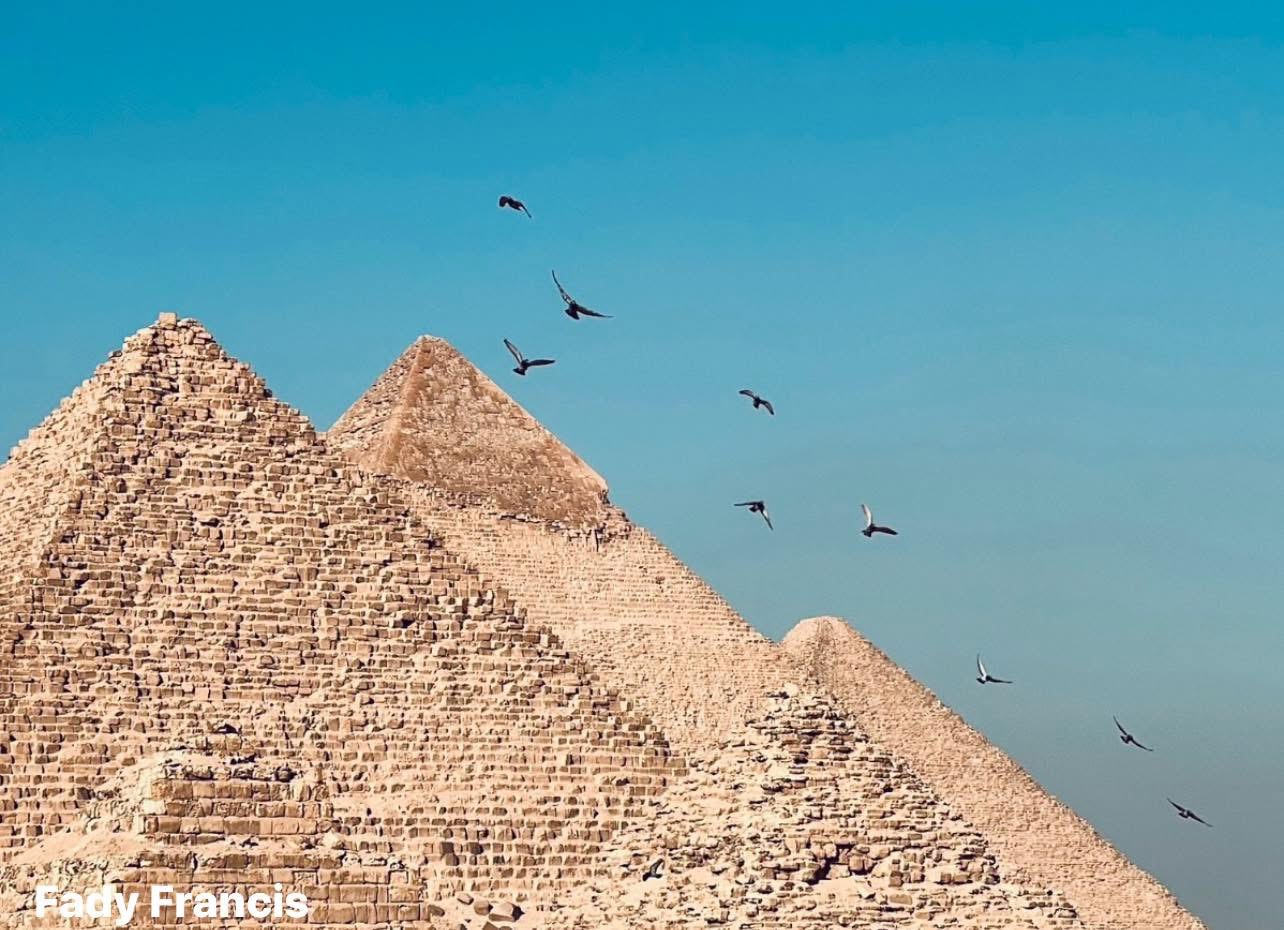
Winter peaks, spring winds, summer heat, and autumn sweet spots—plus the best months for temples, Nile cruises, Red Sea diving, and desert trips.

Egypt draws visitors year-round, but the best time to visit Egypt depends on heat tolerance, crowds, and whether you prioritize beaches, temples, or Nile cruising.
Winter (December–February) — Peak Season
Cooler days (roughly 50–70°F / 10–21°C) make pyramids, Luxor, and Abu Simbel far more comfortable. Nile cruises shine—but crowds and prices peak. Book ahead.
Spring (March–May)
Warming but still pleasant; Red Sea resorts are lovely. Watch for occasional Khamsin winds in April—hot, dry, sometimes dusty.
Summer (June–August)
Upper Egypt (Luxor, Aswan) can exceed 100°F (38°C)—hard for long outdoor touring. Fewer visitors and lower rates; Red Sea coast and Alexandria feel relatively cooler. Hydration and early starts are essential.
Autumn (September–November)
Heat eases; by October–November, roughly 70–85°F (21–29°C) returns—excellent for sightseeing, cruises, and desert trips. Red Sea water stays warm for diving.
Best Windows by Activity
- Temples & pyramids: October–April
- Nile cruises: October–April
- Red Sea diving & beaches: March–November
- Desert safaris: October–April (avoid midsummer inland heat)
Final Thoughts
Choose winter–spring for classic comfort; late autumn for balance; summer strategically for coast or budget. Whenever you come, Egypt’s monuments and hospitality deliver.